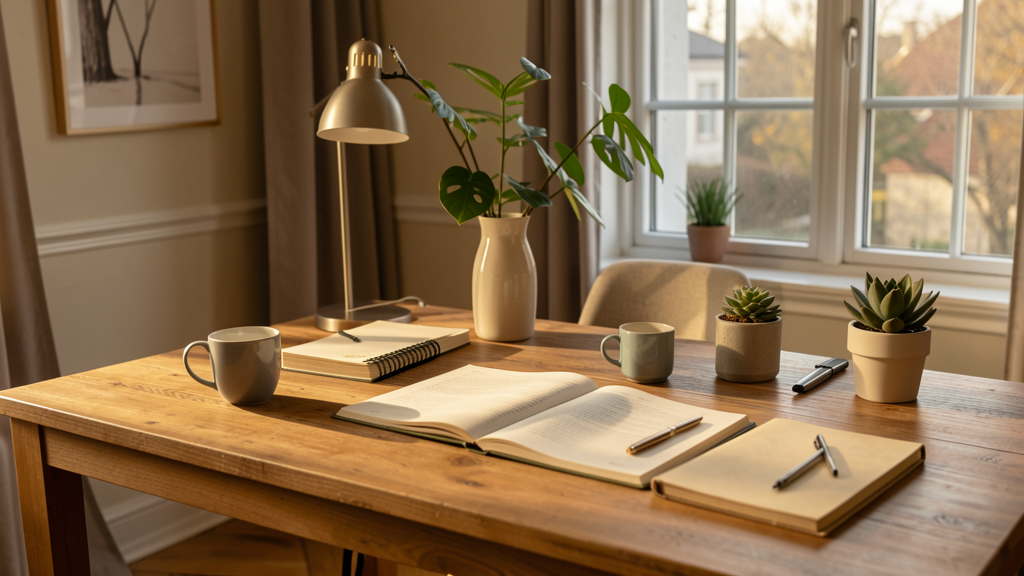
Editorial image illustrating 5 Subtle Decor Mistakes That Make Your Living Room Look Smaller
We often assume a room feels small purely because of the dimensions listed on the floor plan. I have walked into 400-square-foot studios that feel like palatial lofts and 25-foot great rooms that strangely resemble waiting rooms. The discrepancy rarely lies in the actual square footage; it lies in how we treat the visual volume of the space.
When you analyze a room that feels claustrophobic despite adequate physical size, you will usually find specific errors in how furniture interacts with the architecture and how color maps the walls. These are not always obvious sins like hoarding clutter. They are subtle missteps—calculated placement errors and tonal mismatches—that trick the eye into perceiving boundaries where none should exist.
Why Floating Furniture Backfires in Compact Spaces
There is a persistent design cliché that every sofa must "float" in the center of the room to create conversation areas. While this works brilliantly in large, open-concept layouts, applying it rigidly to a standard living room is a recipe for visual constriction.
When you push a substantial sofa six inches away from the wall in a 12-by-14 foot room, you create two negative spaces behind it that are too small to function but large enough to be noticed. The eye reads these slivers of dead space as clutter, and the furniture itself becomes a massive obstacle breaking the flow of the room. You are essentially placing a boulder in the middle of a stream.
The Fix: Unless your room is wide enough to allow a clear walking path of at least 30 inches behind the seating, anchor your furniture against the walls. This creates one large, unbroken expanse of floor space in the center, which the eye interprets as spaciousness. I advised a client in a Brooklyn apartment last year to move their sectional flush against the long wall. The result was an instant liberation of nearly eight square feet of visual floor area.
The Trap of Purchasing Matching Furniture Suites
Walk into a mass-market furniture store, and you will see the "living room package": a sofa, love seat, and coffee table all made from the same materials, usually in the same wood tone or fabric. Buying a suite seems safe, but it is one of the fastest ways to make a room shrink.
Matching sets blend into one another, creating a heavy, monolithic visual weight. When a sofa, armchair, and coffee table all share the same bulky silhouette and medium-wood finish, the furniture loses distinct definition. The room stops being a space containing objects and starts looking like one solid block of "stuff." This lack of visual separation creates a crowded, oppressive atmosphere.
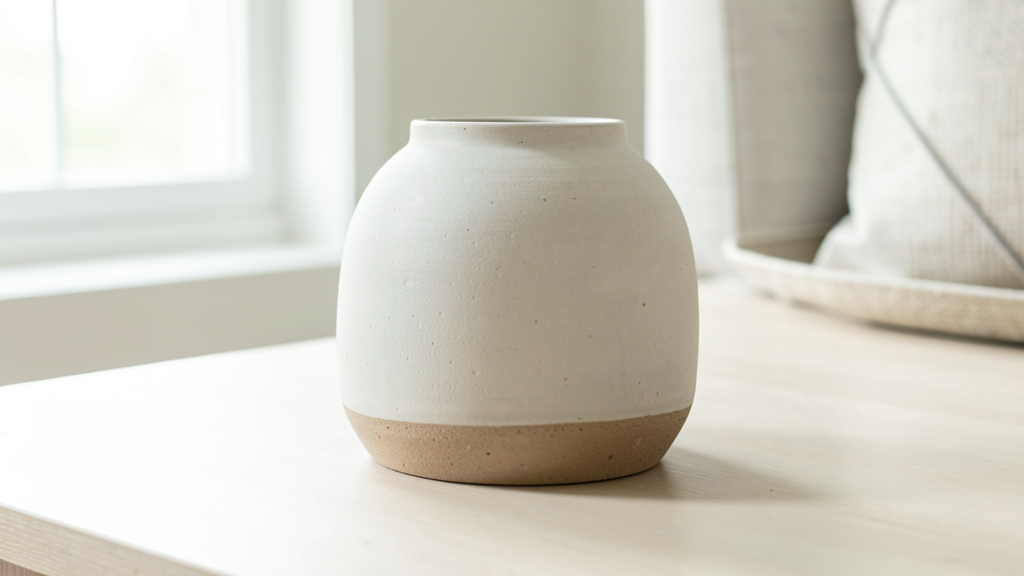
The Fix: Break up the mass. If you have a dark, upholstered sofa, introduce a coffee table with slender, exposed metal legs to let light and floor visibility pass through. Pair a heavy wood media console with a lightweight acrylic chair or a glass side table. This does not mean you must abandon cohesion entirely, but rather that you should seek contrast in texture and leg style. While some argue that maximalism versus minimalism dictates how much you own, the real key to volume here is ensuring every piece has "visual breathing room" around it.
Rug Scale: Finding the Balance Between Anchored and Crowded
Area rugs are the "fifth wall" of the room, and getting the size wrong is catastrophic for spatial perception. The most common error I see is the postage-stamp rug: a 5x7 rug floating in the center of a large seating arrangement with only the front legs of the sofa touching it.
This placement cuts the room off at the knees. It creates an island of flooring that highlights the vast, empty expanses of bare floor around the perimeter. Conversely, a rug that is too large—wall-to-wall in a fully carpeted room, or touching the baseboards with no margin—can make the space feel over-stuffed, like a pillow shoved into a case.
The Fix: The goal is to ground the furniture without floating in nothingness. In a standard living room, all legs of the main seating pieces should sit on the rug. If budget constraints prevent you from buying a massive 9x12 rug, layer a smaller, high-pile vintage rug over a larger, neutral sisal or jute rug. This trick extends the visual footprint of the seating area without the high cost of a massive single weave. It adds depth, making the floor feel like a layered landscape rather than a flat surface.
Do Your Curtains Stop Short of the Ceiling?
Standard curtain lengths are typically 84 inches. If you have standard 8-foot ceilings, hanging these rods directly above the window frame leaves the curtains hovering just an inch or two above the floor. This placement emphasizes the distance between the top of the window and the ceiling, effectively lowering the ceiling height visually. It makes the room feel stunted and boxy.
Furthermore, curtains that stop just below the sill cut the vertical line of the window, disrupting the view and bringing the eye back into the room rather than directing it outward or upward. The visual weight of the fabric gathers at the midpoint of the wall rather than drawing the gaze upward.
The Fix: Install your curtain rod as close to the ceiling as possible—ideally 2 to 4 inches from the crown molding. Ensure the panels skim the floor or even puddle slightly by half an inch. This technique draws the eye vertically, creating the illusion of height. If you are renting and drilling holes for high rods is out of the question, tension rods inside the frame are better than nothing, but utilizing lightweight tension rods with lightweight velvet inside the window recess can still look purposeful. However, for true expansion, the high-hang method is non-negotiable. For those hesitant to commit to hardware changes, exploring how to transform a space without drilling, much like I did in my rental bathroom renovation, often involves clever tension solutions or over-the-door hardware that mimics this high-mount effect.
Monotone Neutrals: Where Cohesion Becomes Clutter
We have embraced the era of "greige" and warm white, and for good reason—they are soothing. However, there is a fine line between a cohesive neutral palette and a visual fog. When your walls are a light taupe, your sofa is a darker taupe, your rug is a grey-beige, and your curtains are oatmeal, the boundaries between the furniture and the architecture disappear.
Without contrast to delineate where the wall ends and the sofa begins, the room flattens. The furniture visually melts into the background, creating a sense of density that the brain interprets as "full." You lose the shadows and highlights that give a room dimension and depth.
The Fix: You do not need to paint your walls navy blue to fix this. Introduce contrast through texture and tonal variation. If your walls are "Alabaster" white, choose a sofa in a charcoal linen or a deep moss green. If you prefer an all-neutral room, ensure you have a range of tones from bright white to deep chocolate. Introduce black elements—picture frames, lamp bases, or a throw pillow. Black acts as an anchor; it gives the eye a place to rest and creates outlines that define the shapes of your furniture, carving out empty space around them.
The Invisible Volume of Atmosphere
Correcting these physical elements—anchoring your furniture, varying your wood tones, raising your rods—will fundamentally alter the geometry of your room. However, the perception of space is also deeply psychological. Once the visual clutter is managed, the room's "atmosphere" becomes the defining factor in how large it feels.
A room that smells fresh and layered feels airier than a stagnant one, regardless of its dimensions. Once you have adjusted the furniture and colors, consider how the room engages the other senses. Scent layering is often the secret to that final polish, adding an invisible lift that makes a space feel curated and expansive rather than merely decorated.
The most inviting living rooms are not necessarily the biggest ones, but the ones where every element respects the air around it. By removing these visual obstructions, you aren't just changing the decor; you are giving the room permission to breathe.