Wanderlust Living
Hotel vs. Airbnb for a Workation: Which is Better for Focus?
Navigate the trade-off between the guaranteed connectivity of hotels and the residential comfort of Airbnbs to maximize your productivity while traveling.
5 min read
 Practical guides to Lifestyle and inspiration
Shifting from hotel hopping to monthly rentals isn't just a lifestyle choice; it is a financial strategy that cuts accommodation costs by nearly half while curing travel fatigue.
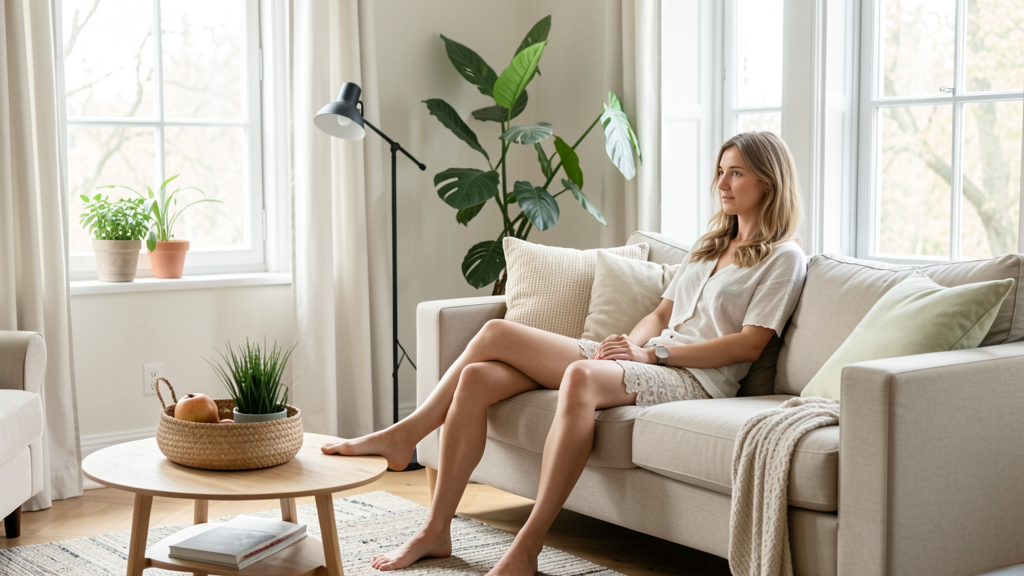
Editorial image illustrating Slow Travel and the Monthly Rental Formula for Saving Money
There is a distinct exhaustion that comes from the "check-in, check-out" cycle of traditional tourism. I have seen it countless times, and I have felt it myself: that Sunday afternoon haze where you cannot remember which city you are in, let alone the name of the street you are walking down. For years, the travel industry sold us the idea that seeing more is better, that a successful trip is measured by the number of landmarks ticked off a list. This approach is not only physically draining but financially ruinous. In 2026, the smart travelers are not those moving fast; they are the ones staying put.
The concept of slow travel fundamentally shifts the objective from sightseeing to living. It involves staying in one location for an extended period—typically a month or longer—and using that place as a base to explore the surrounding region at a leisurely pace. This is not merely a romanticized notion of "getting away from it all." It is a practical, structural change to how we approach accommodation and daily expenses. By treating travel not as a vacation but as a temporary relocation, you unlock economies of scale that the standard tourist never sees.
To understand the savings, we first have to look at where the money goes in a fast-paced trip. When you hop between cities every three days, you are constantly paying premiums for convenience and transience. Hotels charge higher nightly rates because they must cover the costs of daily cleaning, high staff turnover, and the vacancy risk associated with short stays. Beyond the room rate, the cumulative cost of transportation adds up quickly. Trains, planes, and taxis between cities eat into a budget faster than a nice dinner ever could.
There is also the invisible cost of "tourist dining." When you do not have a kitchen, every meal requires a restaurant or a cafe. In major European capitals, eating out three times a day can easily double your daily spend. Furthermore, the mental load of constantly navigating new environments leads to decision fatigue. You end up paying for things you wouldn't normally buy—overpriced water near landmarks, expensive coffee because you don't know where the local bakery is, and taxis because you are too tired to figure out the bus system. This constant movement creates a cycle of spending that is rarely accounted for when planning the trip.
The financial linchpin of slow travel is the monthly rental. The real estate math for long-term stays is entirely different from the hotel model. A landlord or property manager prefers a guaranteed monthly income over the uncertainty of finding a new guest every three nights. Because of this preference, platforms that specialize in mid-term rentals often offer significant discounts for stays of 28 days or longer. We are frequently looking at a 40% to 50% reduction in the nightly rate compared to the same apartment booked for a week.
This is where the concept of "daily cost" becomes deceptive. A boutique hotel might advertise a rate of $180 per night, which sounds reasonable until you multiply it by 30. That totals $5,400 a month, and that does not include taxes or resort fees. Conversely, a fully equipped one-bedroom apartment in a desirable neighborhood might list for $2,800 per month. Suddenly, your daily accommodation cost drops from $180 to under $95. You are getting more space, a kitchen, and a washer for a fraction of the price. This arbitrage is the single most effective way to stretch a travel budget without sacrificing the quality of your living environment.
Let's look at a concrete scenario to illustrate this shift. Imagine you are planning a trip to Portugal for the month of October 2026. Option A involves the traditional approach: four different cities over 30 days. You spend four nights in Lisbon, three in Porto, four in the Algarve, and so on. You book a mix of mid-range hotels and guesthouses. The average nightly rate is $160. Over 30 nights, your accommodation cost is roughly $4,800. You eat lunch and dinner out daily. You take three inter-city trains. The total trip cost, excluding flights, lands around $7,500.
Option B is the slow travel approach. You book a single apartment in the Campo de Ourique neighborhood of Lisbon for the entire month. The monthly rate is $2,400, bringing your nightly cost to $80. You shop at the local Mercado da Rua and cook breakfast and most dinners at home, spending about $60 a day on food instead of $120. You take day trips to Sintra and Cascais using the regional train, which costs a fraction of an inter-city rail pass. Your total expenses for the month drop to approximately $4,200. You have saved over $3,000, and instead of feeling exhausted from repacking your suitcase six times, you have become a regular at the corner cafe, knowing exactly which pastel de nata is the freshest.
As an editor focused on home and decor, I find another benefit to this model that is often overlooked: the aesthetic grounding of having a single space. When you move constantly, you live out of a suitcase, and your environment is always generic. A long-term rental allows you to unpack. You can arrange your books on the shelf, buy fresh flowers at the local market, and settle into a rhythm that feels like living rather than visiting.
This stability is crucial if you are working while traveling. I have discussed the merits of different accommodation types for workations before, but the ability to create a dedicated workspace in a rental is unmatched. You can optimize the lighting and ergonomics of a room you will be in for thirty days, which is impossible in a hotel where you are just passing through. It transforms the trip from a series of interruptions to a sustainable lifestyle. You are not just a tourist observing the decor; you are inhabiting it.
I would be remiss not to mention the trade-offs. Slow travel requires a significant block of time and a willingness to stay in one place. If you only have one week of vacation per year, this model is not for you. The savings only materialize when the duration is sufficient to trigger the monthly discount and reduce the frequency of expensive transport.
Furthermore, you lose the variety of waking up in a new city. Some travelers thrive on the novelty of change. If you are someone who gets bored easily, spending a month in one town might feel stifling. However, I have found that boredom is often a failure of curiosity, not location. Even a small city has layers that take weeks to peel back. It requires a shift in mindset from seeking entertainment to seeking connection.
Ultimately, the transition to slow travel saves money because it replicates the financial patterns of real life. We do not live in hotels in our hometowns; we rent or own apartments. We do not eat at restaurants for every meal at home; we cook. By applying these domestic habits to travel, we remove the "tourist tax" from our lives.
The result is a richer, more textured experience. You stop rushing from museum to monument and start noticing the quality of light in your apartment at 5 PM. You recognize the neighbors. You find a favorite park bench. This is not just about saving money, though that is a compelling benefit. It is about reclaiming the time and mental space that frantic travel steals from us. In a world that increasingly prioritizes speed, the luxury of staying in one place is an offer that is hard to refuse.

Navigate the trade-off between the guaranteed connectivity of hotels and the residential comfort of Airbnbs to maximize your productivity while traveling.
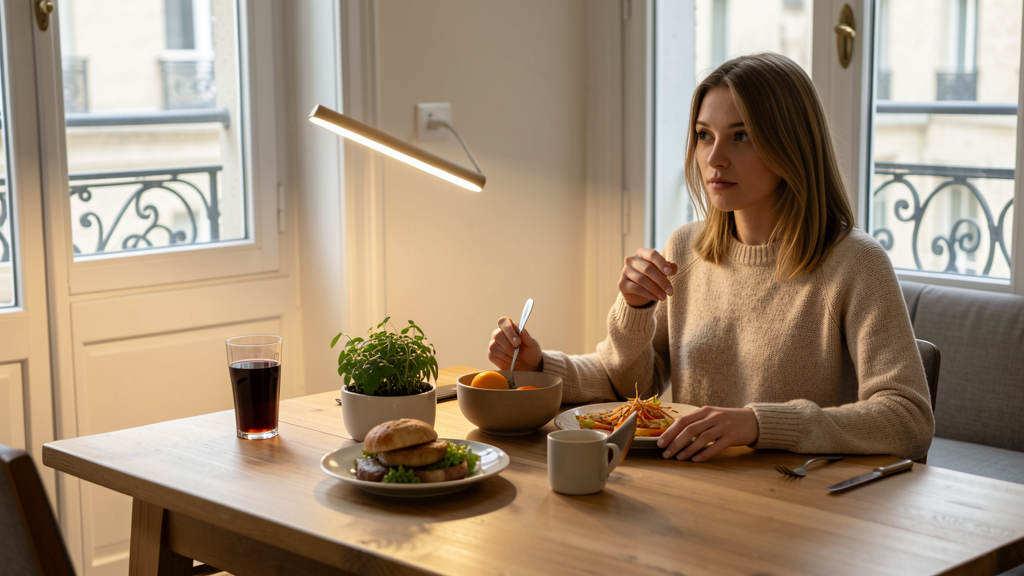
A narrative breakdown of how I moved from eating street meals on park benches to confidently enjoying full-service dining in Paris, transforming social anxiety into a travel superpower.